Your Traditional japanese architecture images are ready in this website. Traditional japanese architecture are a topic that is being searched for and liked by netizens now. You can Find and Download the Traditional japanese architecture files here. Get all royalty-free images.
If you’re searching for traditional japanese architecture images information linked to the traditional japanese architecture interest, you have pay a visit to the ideal site. Our site always provides you with suggestions for downloading the highest quality video and image content, please kindly search and locate more informative video content and graphics that match your interests.
Traditional Japanese Architecture. Traditional Japanese architecture arises from constant observation of nature its rhythms and a concern with integrating the structure as a living entity. Continuation of efforts to reconcile traditional and modern architecture. The early 7th century was dominated by early wooden structures such as shrines and temples built by the nobles. Union with the natural was also an element of Japanese architecture.
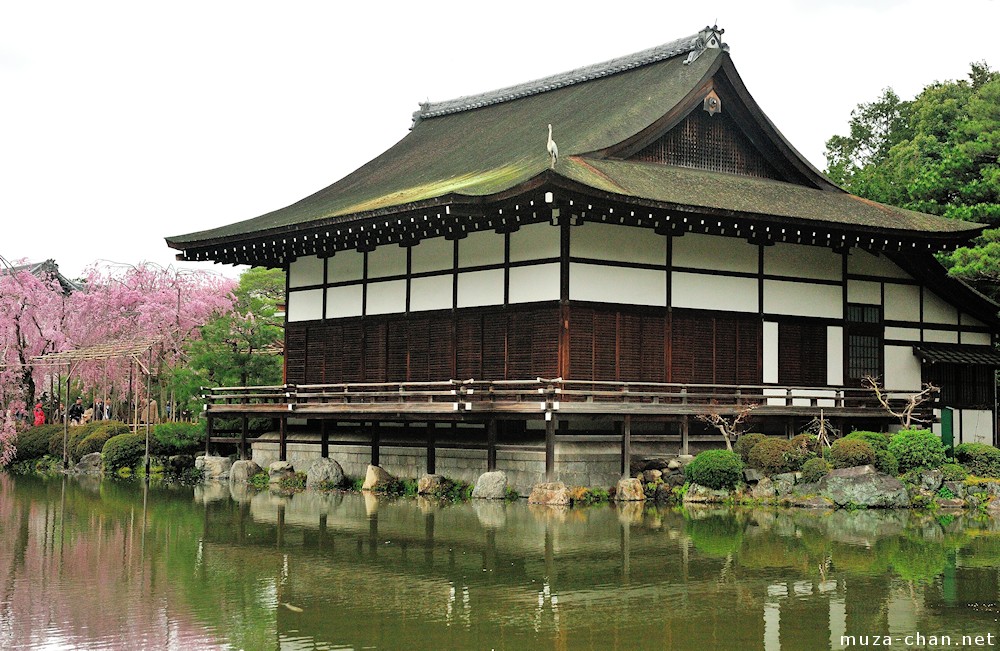 Pin On Asian Architecture From pinterest.com
Traditional Japanese architecture can be characterized by the extensive use of wood master craftsmanship and elegant simplicity. They were built of light materials wood bamboo straw and paper which provide terrible insulation but allow breezes to enter air to circulate and heat to escape. Continuation of efforts to reconcile traditional and modern architecture. Examples of traditional architecture are seen at temples Shinto shrines and castles in Kyoto and Nara. Materials Used in Japanese. 20 Traditional Japanese Architecture.
Flat terrace roof that are dominant to form contrast from Middleast and India.
The rich tradition of Japanese architecture is best exemplified by the sacral buildings such as Buddhist temples and Shinto shrines. Japanese Architecture and Weather. 20 Traditional Japanese Architecture. The early 7th century was dominated by early wooden structures such as shrines and temples built by the nobles. Download this video clip and other motion backgrounds special effects After Effects templates and more. From ancient temples to modern-day structures Japan is home to stunning architecture.
 Source: pinterest.com
TRADITIONAL ROOF IN JAPANESE ARCHITECTURE The features of Japanese traditional roof. Continuation of efforts to reconcile traditional and modern architecture. The oldest wooden architecture in Japan is Horyuji temple which is built in the 7th century and you can still see the beautiful temple after a long history of earthquakes and natural disasters. Key Elements of Japanese Architecture. The Ise Shrine is probably the most well known of the Shinto shrines.
 Source: pinterest.com
What Is Japanese Architecture. Japanese architecture has traditionally been typified by wooden structures elevated slightly off the ground with tiled or thatched roofs. In Traditional Japanese Architecture author Mira Locher explores how each of these stories encompasses the particular development construction function and symbolism inherent in historic archite Intricate carved wood transoms and precisely woven tatami matseach element of traditional Japanese architecture tells a story. The Japanese climate often rain heavily so the roof is designed quite wide so that the rain water is not splashed into the house. Traditional Japanese architecture arises from constant observation of nature its rhythms and a concern with integrating the structure as a living entity.
 Source: pinterest.com
The process involves arranging cedar Japanese cypress pine. They were built of light materials wood bamboo straw and paper which provide terrible insulation but allow breezes to enter air to circulate and heat to escape. Materials Used in Japanese. TRADITIONAL ROOF IN JAPANESE ARCHITECTURE The features of Japanese traditional roof. Some of these buildings are constructed with traditional gardens which are influenced by Zen ideas.
 Source: pinterest.com
The process involves arranging cedar Japanese cypress pine. The Ise Shrine is probably the most well known of the Shinto shrines. Japanese architecture went through several periods of innovation over the history of Japan. Japanese Culture Japanese architecture 日本建築 Nihon kenchiku has traditionally been typified by wooden structures elevated slightly off the ground with tiled or thatched roofs. Refinement in Japanese architecture is combined with carving and decoration which is noticable in timber construction.
 Source: pinterest.com
The borders existing between structures and the natural world were deliberately obscure. Japanese traditional architecture royalty free stock video and stock footage. Examples of traditional architecture are seen at temples Shinto shrines and castles in Kyoto and Nara. Materials Used in Japanese. Key Elements of Japanese Architecture.
 Source: pinterest.com
The Ise Shrine is probably the most well known of the Shinto shrines. They were built of light materials wood bamboo straw and paper which provide terrible insulation but allow breezes to enter air to circulate and heat to escape. Typically made of rice straw at the centre with a covering of soft rush straw. Some of these buildings are constructed with traditional gardens which are influenced by Zen ideas. Traditional Japanese architecture arises from constant observation of nature its rhythms and a concern with integrating the structure as a living entity.
 Source: pinterest.com
Key Elements of Japanese Architecture. However these distinct architectural ideas. Refinement in Japanese architecture is combined with carving and decoration which is noticable in timber construction. The early 7th century was dominated by early wooden structures such as shrines and temples built by the nobles. Traditional Japanese architecture arises from constant observation of nature its rhythms and a concern with integrating the structure as a living entity.
 Source: pinterest.com
ARCHITECTURAL CHARACTER The architecture of Japan was derived from China but maintained its own special characteristics of lightness as delicacy. A Traditional Japanese House Design And Build By Makoto Fukada Seyseysha Technical Concepts Behind Construction. The Japanese climate often rain heavily so the roof is designed quite wide so that the rain water is not splashed into the house. The process involves arranging cedar Japanese cypress pine. Union with the natural was also an element of Japanese architecture.
 Source: pinterest.com
Japanese architecture went through several periods of innovation over the history of Japan. Typically made of rice straw at the centre with a covering of soft rush straw. A Traditional Japanese House Design And Build By Makoto Fukada Seyseysha Technical Concepts Behind Construction. Traditional construction methods refer to the techniques used to build flexible joined wooden frames-the culmination of our predecessors wisdom forged across centuries of toil and artisanship. The constructed house is not a complete object to be maintained but a collection of living spaces on which people imprint.
 Source: ar.pinterest.com
The process involves arranging cedar Japanese cypress pine. Japanese architecture has traditionally been typified by wooden structures elevated slightly off the ground with tiled or thatched roofs. Sliding doors fusuma were used in place of walls allowing the internal configuration of a space to be customized for different occasions. Japanese architecture was originally heavily influenced by Chinese architecture and later developed many unique aspects indigenous to Japan. ARCHITECTURAL CHARACTER The architecture of Japan was derived from China but maintained its own special characteristics of lightness as delicacy.
 Source: pinterest.com
Flat terrace roof that are dominant to form contrast from Middleast and India. A Traditional Japanese House Design And Build By Makoto Fukada Seyseysha Technical Concepts Behind Construction. Japanese architecture was originally heavily influenced by Chinese architecture and later developed many unique aspects indigenous to Japan. Japanese architecture is centered on religion and because of that many of the. Traditional Japanese architecture can be characterized by the extensive use of wood master craftsmanship and elegant simplicity.
 Source: pinterest.com
A Traditional Japanese House Design And Build By Makoto Fukada Seyseysha Technical Concepts Behind Construction. The borders existing between structures and the natural world were deliberately obscure. The Ise Shrine is probably the most well known of the Shinto shrines. The symmetry of Chinese-style temple plans gave way to asymmetrical layouts that followed the specific contours of hilly and mountainous topography. Sliding doors fusuma were used in place of walls allowing the internal configuration of a space to be customized for different occasions.
 Source: pinterest.com
The gardens are design to be considered from the low vantage level of an individual seated within the room. The gardens are design to be considered from the low vantage level of an individual seated within the room. TRADITIONAL ROOF IN JAPANESE ARCHITECTURE The features of Japanese traditional roof. ARCHITECTURAL CHARACTER The architecture of Japan was derived from China but maintained its own special characteristics of lightness as delicacy. The beauty of Japanese traditional house is most evident in the roof with curves are sculptured elaborately.
 Source: co.pinterest.com
The process involves arranging cedar Japanese cypress pine. Conventional expertise methods and information that comprise the craftsmanship cowl 17 areas important for repairing and restoring shrines temples and outdated homes that are historically made from. Tange Kenzo one of Japans most famous and influential post-war architects managed to fuse traditional Japanese architecture with scientific and technological advancements. In Traditional Japanese Architecture author Mira Locher explores how each of these stories encompasses the particular development construction function and symbolism inherent in historic archite Intricate carved wood transoms and precisely woven tatami matseach element of traditional Japanese architecture tells a story. Flat terrace roof that are dominant to form contrast from Middleast and India.
 Source: pinterest.com
Japanese Culture Japanese architecture 日本建築 Nihon kenchiku has traditionally been typified by wooden structures elevated slightly off the ground with tiled or thatched roofs. Typically made of rice straw at the centre with a covering of soft rush straw. The gardens are design to be considered from the low vantage level of an individual seated within the room. 20 Traditional Japanese Architecture. Key Elements of Japanese Architecture.
 Source: pinterest.com
The process involves arranging cedar Japanese cypress pine. 20 Traditional Japanese Architecture. What Is Japanese Architecture. Typically made of rice straw at the centre with a covering of soft rush straw. The constructed house is not a complete object to be maintained but a collection of living spaces on which people imprint.
 Source: pinterest.com
In the old days. Some of these buildings are constructed with traditional gardens which are influenced by Zen ideas. The Ise Shrine is probably the most well known of the Shinto shrines. Japanese architecture is centered on religion and because of that many of the. Traditional construction methods refer to the techniques used to build flexible joined wooden frames-the culmination of our predecessors wisdom forged across centuries of toil and artisanship.
Source: pinterest.com
Flat terrace roof that are dominant to form contrast from Middleast and India. Typically made of rice straw at the centre with a covering of soft rush straw. Japanese Culture Japanese architecture 日本建築 Nihon kenchiku has traditionally been typified by wooden structures elevated slightly off the ground with tiled or thatched roofs. Japanese traditional architecture royalty free stock video and stock footage. Download this video clip and other motion backgrounds special effects After Effects templates and more.
This site is an open community for users to submit their favorite wallpapers on the internet, all images or pictures in this website are for personal wallpaper use only, it is stricly prohibited to use this wallpaper for commercial purposes, if you are the author and find this image is shared without your permission, please kindly raise a DMCA report to Us.
If you find this site good, please support us by sharing this posts to your preference social media accounts like Facebook, Instagram and so on or you can also bookmark this blog page with the title traditional japanese architecture by using Ctrl + D for devices a laptop with a Windows operating system or Command + D for laptops with an Apple operating system. If you use a smartphone, you can also use the drawer menu of the browser you are using. Whether it’s a Windows, Mac, iOS or Android operating system, you will still be able to bookmark this website.


