Your Saas multi tenant database architecture design images are ready in this website. Saas multi tenant database architecture design are a topic that is being searched for and liked by netizens now. You can Download the Saas multi tenant database architecture design files here. Download all royalty-free photos and vectors.
If you’re looking for saas multi tenant database architecture design images information related to the saas multi tenant database architecture design topic, you have pay a visit to the ideal blog. Our site always provides you with suggestions for downloading the highest quality video and image content, please kindly surf and locate more enlightening video articles and images that match your interests.
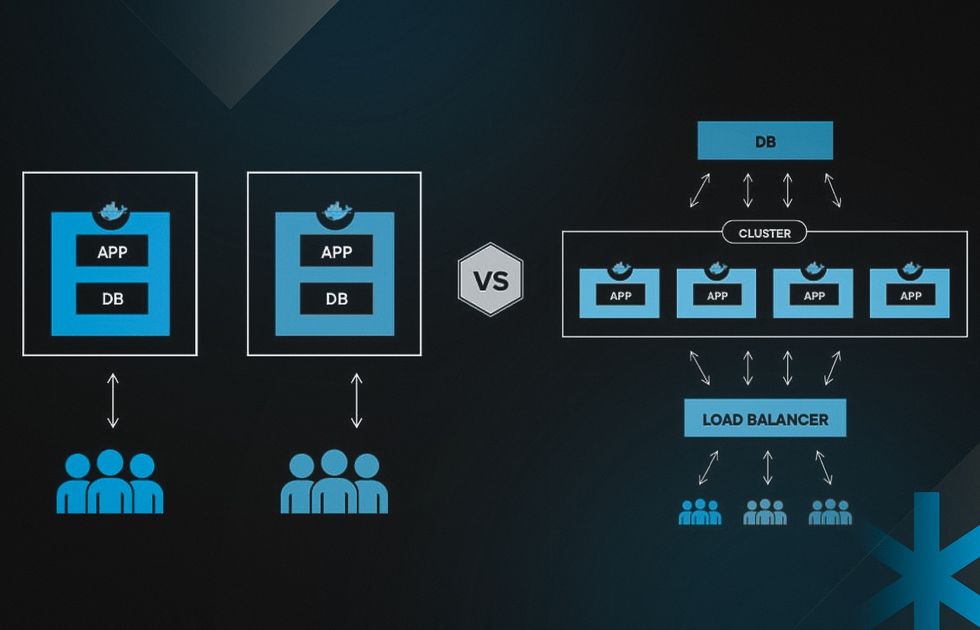
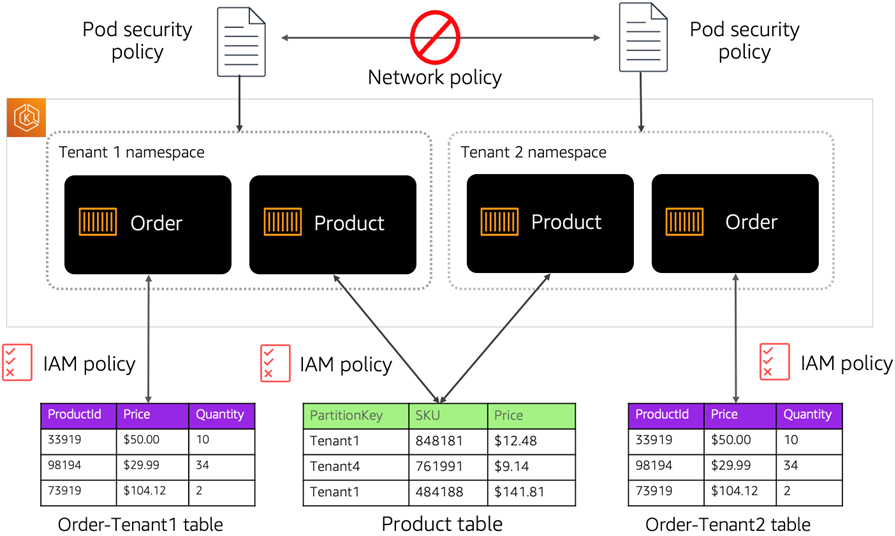
Saas Multi Tenant Database Architecture Design. In a multi-tenant environment a SaaS company can reduce costs if it shares or reuses more of its resources. Tables that contain tenant-specific data include a column to identify which tenant each row belongs to. This might range from tenants sharing the same user interface components business logic right down to data layer however each tenant only access functions or components and data belonging to their business entity. And is totally transparent to the end-user.
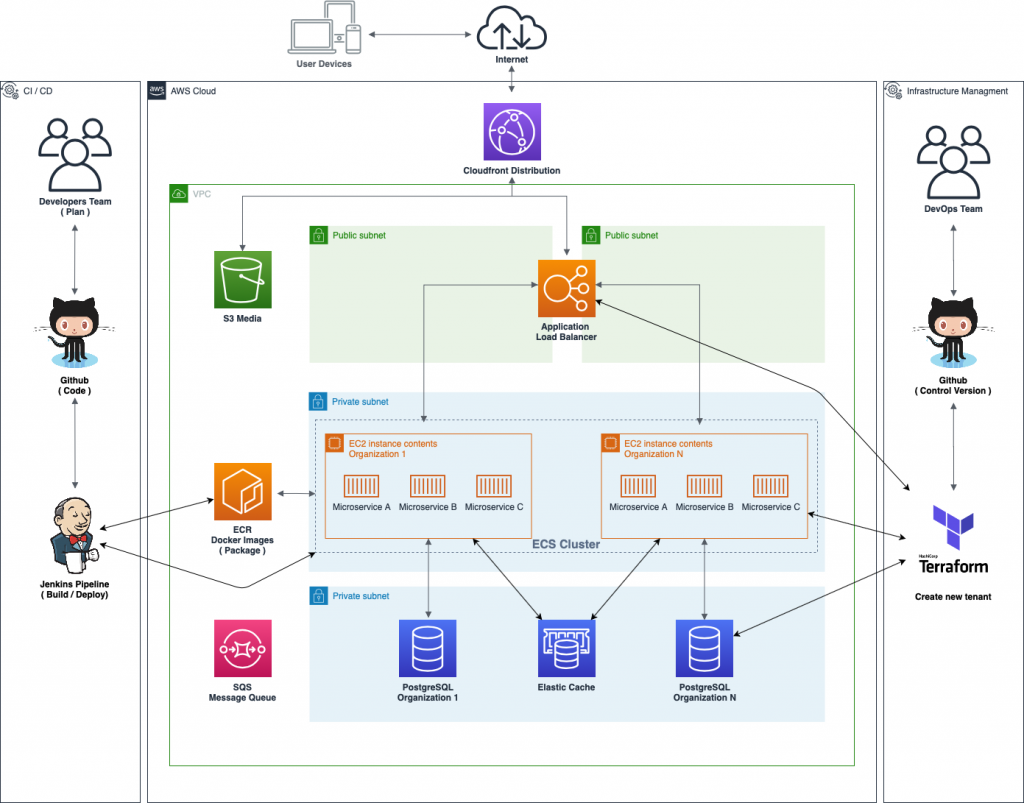 Multi Tenant Architecture For A Saas Application On Aws Clickittech From clickittech.com
In a multi-tenant environment a SaaS company can reduce costs if it shares or reuses more of its resources. Your choice of tenancy model impacts application design and management. It is also known as a one to many SaaS architecture. Multi-tenancy and meta-data driven architecture for SaaS applications is the way out and able to address these key issues. Multi-tenancy in a SaaS application is a architectural pattern that entails several tenants customers to share resources at different tiers of an application. For SaaS applications you use multiple databases for multiple tenants but usually dont split it module-wise.
Risk of exposing one tenants data to.
Switching to a different model later is sometimes costly. The basis for SAAS is a Multi-tenancy architecture that allows multiple tenants organizations access to multiple instances of the software hosted on a single server. By their nature SaaS applications will require data from multiple tenants to reside within their databases. And is totally transparent to the end-user. You can learn more about the advantages and disadvantages of single-tenant and multi-tenant cloud architectures here. Ad See the SaaS Tools your competitors are already using - Start Now.
 Source: researchgate.net
Every tenants data is stored in the same set of tables. For SaaS applications you use multiple databases for multiple tenants but usually dont split it module-wise. In a multi-tenant environment a SaaS company can reduce costs if it shares or reuses more of its resources. One BIG Problem 4. Switching to a different model later is sometimes costly.
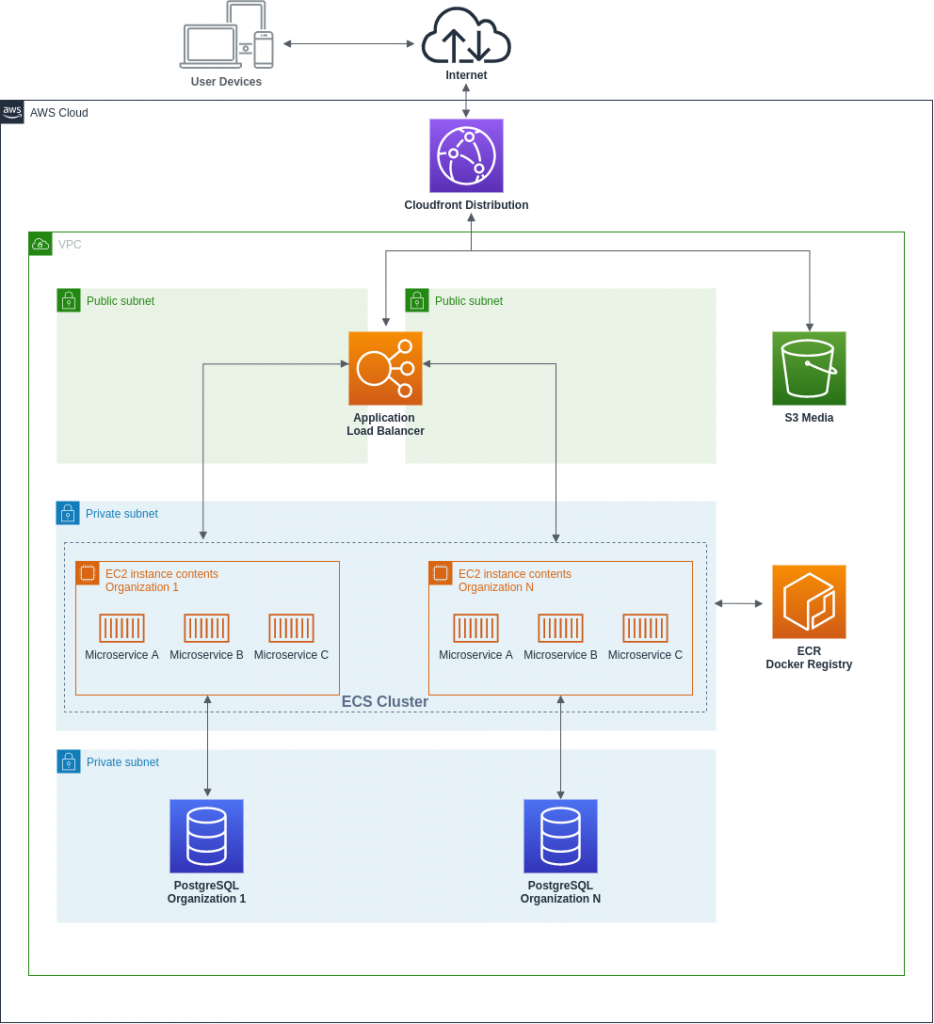 Source: clickittech.com
When designing a multi-tenant SaaS application you must carefully choose the tenancy model that best fits the needs of your application. Single Database Shared Schema. This is the primary factor to. The second option is to use the same database for all tenants but to give each tenant their own schema with individual tables. Tables that contain tenant-specific data include a column to identify which tenant each row belongs to.
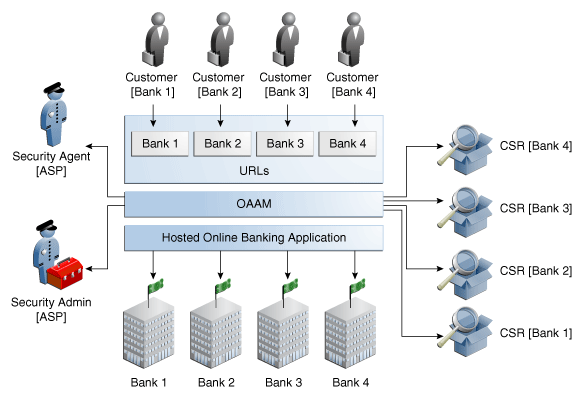 Source: docs.oracle.com
It is also known as a one to many SaaS architecture. Tables that contain tenant-specific data include a column to identify which tenant each row belongs to. GetApp helps more than 18 million businesses find the best software for their needs. This is the primary factor to. Designing a database for multi-tenancy on the cloud Considerations for SaaS vendors.
 Source: slideshare.net
Multi-tenancy and meta-data driven architecture for SaaS applications is the way out and able to address these key issues. Multi-tenancy in a SaaS application is a architectural pattern that entails several tenants customers to share resources at different tiers of an application. However a multi-tenancy model refers to a single SaaS application instance and its supporting framework serving multiple users customers or tenants at the same time. By using multi-tenant and meta-data driven architecture Tenants can operate in virtual isolation and dynamically morph for their particular need. Your base schema is replicated for each tenant that you add to your application.
 Source: in.pinterest.com
In a multi-tenant environment a SaaS company can reduce costs if it shares or reuses more of its resources. Risk of exposing one tenants data to. GetApp helps more than 18 million businesses find the best software for their needs. Switching to a different model later is sometimes costly. Multi-tenancy in a SaaS application is a architectural pattern that entails several tenants customers to share resources at different tiers of an application.
Source: clickittech.com
However a multi-tenancy model refers to a single SaaS application instance and its supporting framework serving multiple users customers or tenants at the same time. A tenancy model determines how each tenants data is mapped to storage. Your base schema is replicated for each tenant that you add to your application. For SaaS applications you use multiple databases for multiple tenants but usually dont split it module-wise. Your choice of tenancy model impacts application design and management.
 Source: acropolium.com
When designing a multi-tenant SaaS application you must carefully choose the tenancy model that best fits the needs of your application. It is also known as a one to many SaaS architecture. The tenants of the software. Share Improve this answer answered Sep 16 08 at 418 Vaibhav 111k 11 49 70. GetApp helps more than 18 million businesses find the best software for their needs.
 Source: semanticscholar.org
Bear in mind that in this paper we will discuss two Multi tenant architecture models one for the application layer and one for the database layer. This is the primary factor to. Multi-tenancy in a SaaS application is a architectural pattern that entails several tenants customers to share resources at different tiers of an application. One BIG Problem 4. In a multi-tenant environment a SaaS company can reduce costs if it shares or reuses more of its resources.
 Source: aws.amazon.com
Share Improve this answer answered Sep 16 08 at 418 Vaibhav 111k 11 49 70. Tables that contain tenant-specific data include a column to identify which tenant each row belongs to. Multiple databases multiple tenants per database shared schema. This column is managed by OutSystems in a way thats transparent to the developer. And is totally transparent to the end-user.
 Source: techcommunity.microsoft.com
At the database level when defining one table as multi-tenant a column with the Tenant ID is added to that table. Your choice of tenancy model impacts application design and management. Ad See the SaaS Tools your competitors are already using - Start Now. GetApp helps more than 18 million businesses find the best software for their needs. And is totally transparent to the end-user.
 Source: researchgate.net
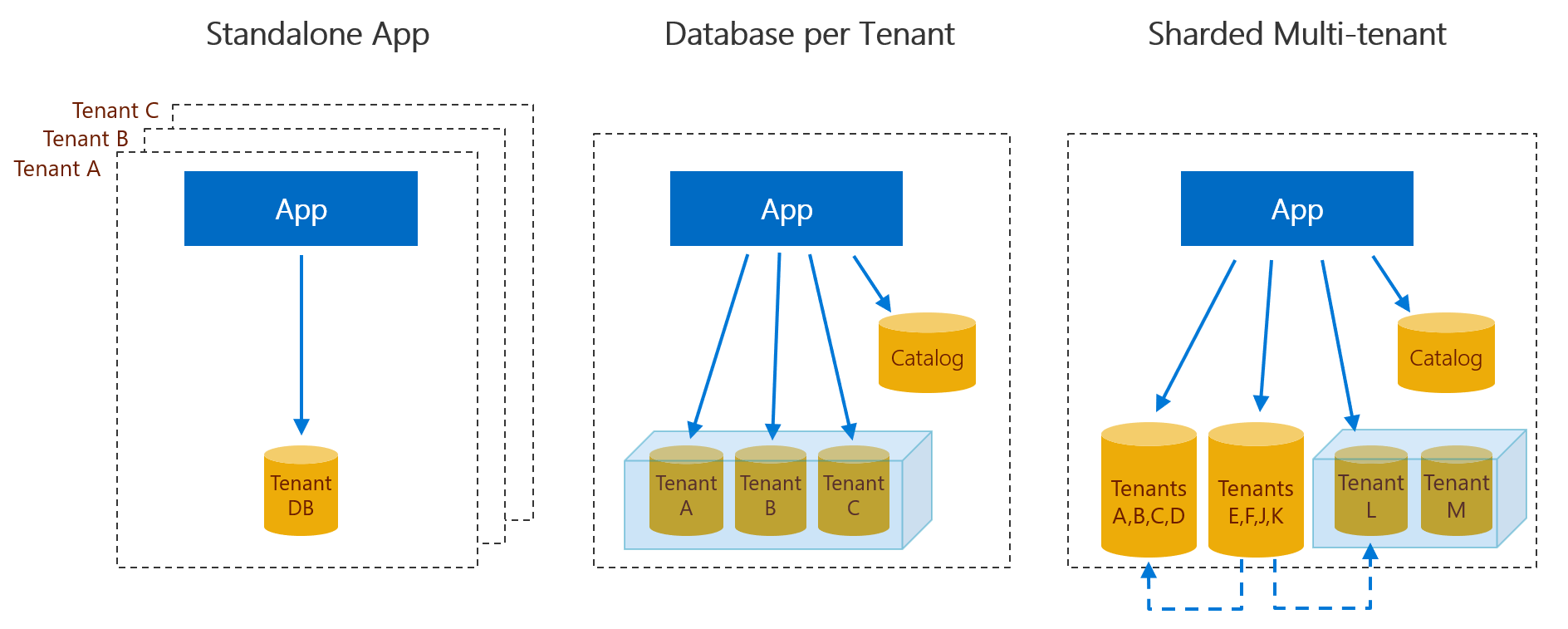
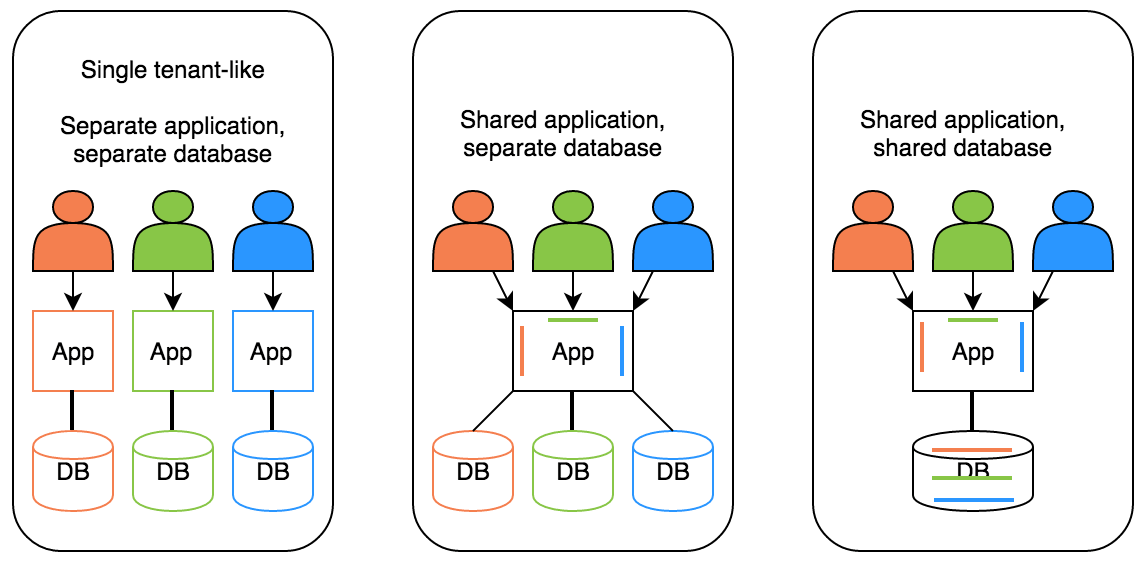
A multi-tenant application architecture can adopt one of three database architectures. This is the most common model I have seen in SaaS application design. By Raul Chong. Ad See the SaaS Tools your competitors are already using - Start Now. Bear in mind that in this paper we will discuss two Multi tenant architecture models one for the application layer and one for the database layer.
 Source: quora.com
A tenancy model determines how each tenants data is mapped to storage. The second option is to use the same database for all tenants but to give each tenant their own schema with individual tables. Bear in mind that in this paper we will discuss two Multi tenant architecture models one for the application layer and one for the database layer. Multi-tenant Database Design for SaaS 1. One BIG Problem 4.
 Source: docs.microsoft.com
At the database level when defining one table as multi-tenant a column with the Tenant ID is added to that table. By their nature SaaS applications will require data from multiple tenants to reside within their databases. Share Improve this answer answered Sep 16 08 at 418 Vaibhav 111k 11 49 70. Multi-tenancy in a SaaS application is a architectural pattern that entails several tenants customers to share resources at different tiers of an application. Single Database Shared Schema.
 Source: docs.microsoft.com
As for database access it is automatic and only data belonging to the correct tenant is returned significantly reducing development costs. One BIG Problem 4. A tenancy model determines how each tenants data is mapped to storage. As for database access it is automatic and only data belonging to the correct tenant is returned significantly reducing development costs. This is the most common model I have seen in SaaS application design.
 Source: aws.amazon.com
Multi-tenancy and meta-data driven architecture for SaaS applications is the way out and able to address these key issues. One BIG Problem 4. Designing a database for multi-tenancy on the cloud Considerations for SaaS vendors. A multi-tenant application architecture can adopt one of three database architectures. However the more the company shares resources the more risks it faces because an outage of a shared resource can potentially.
 Source: docs.microsoft.com
Risk of exposing one tenants data to. This is the most common model I have seen in SaaS application design. GetApp helps more than 18 million businesses find the best software for their needs. In a multi-tenant environment a SaaS company can reduce costs if it shares or reuses more of its resources. This might range from tenants sharing the same user interface components business logic right down to data layer however each tenant only access functions or components and data belonging to their business entity.
 Source: medium.com
A multi-tenant application architecture can adopt one of three database architectures. One database to hold the data for all tenants. Your base schema is replicated for each tenant that you add to your application. At the database level when defining one table as multi-tenant a column with the Tenant ID is added to that table. Ad See the SaaS Tools your competitors are already using - Start Now.
 Source: rasmusfoged.medium.com
By using multi-tenant and meta-data driven architecture Tenants can operate in virtual isolation and dynamically morph for their particular need. Ad See the SaaS Tools your competitors are already using - Start Now. Bear in mind that in this paper we will discuss two Multi tenant architecture models one for the application layer and one for the database layer. A tenancy model determines how each tenants data is mapped to storage. Multi-tenancy and meta-data driven architecture for SaaS applications is the way out and able to address these key issues.
This site is an open community for users to do submittion their favorite wallpapers on the internet, all images or pictures in this website are for personal wallpaper use only, it is stricly prohibited to use this wallpaper for commercial purposes, if you are the author and find this image is shared without your permission, please kindly raise a DMCA report to Us.
If you find this site convienient, please support us by sharing this posts to your own social media accounts like Facebook, Instagram and so on or you can also save this blog page with the title saas multi tenant database architecture design by using Ctrl + D for devices a laptop with a Windows operating system or Command + D for laptops with an Apple operating system. If you use a smartphone, you can also use the drawer menu of the browser you are using. Whether it’s a Windows, Mac, iOS or Android operating system, you will still be able to bookmark this website.