Your Japanese architecture characteristics images are available in this site. Japanese architecture characteristics are a topic that is being searched for and liked by netizens today. You can Find and Download the Japanese architecture characteristics files here. Download all free vectors.
If you’re searching for japanese architecture characteristics pictures information linked to the japanese architecture characteristics keyword, you have visit the right blog. Our site frequently provides you with suggestions for seeing the highest quality video and picture content, please kindly hunt and find more enlightening video articles and images that fit your interests.
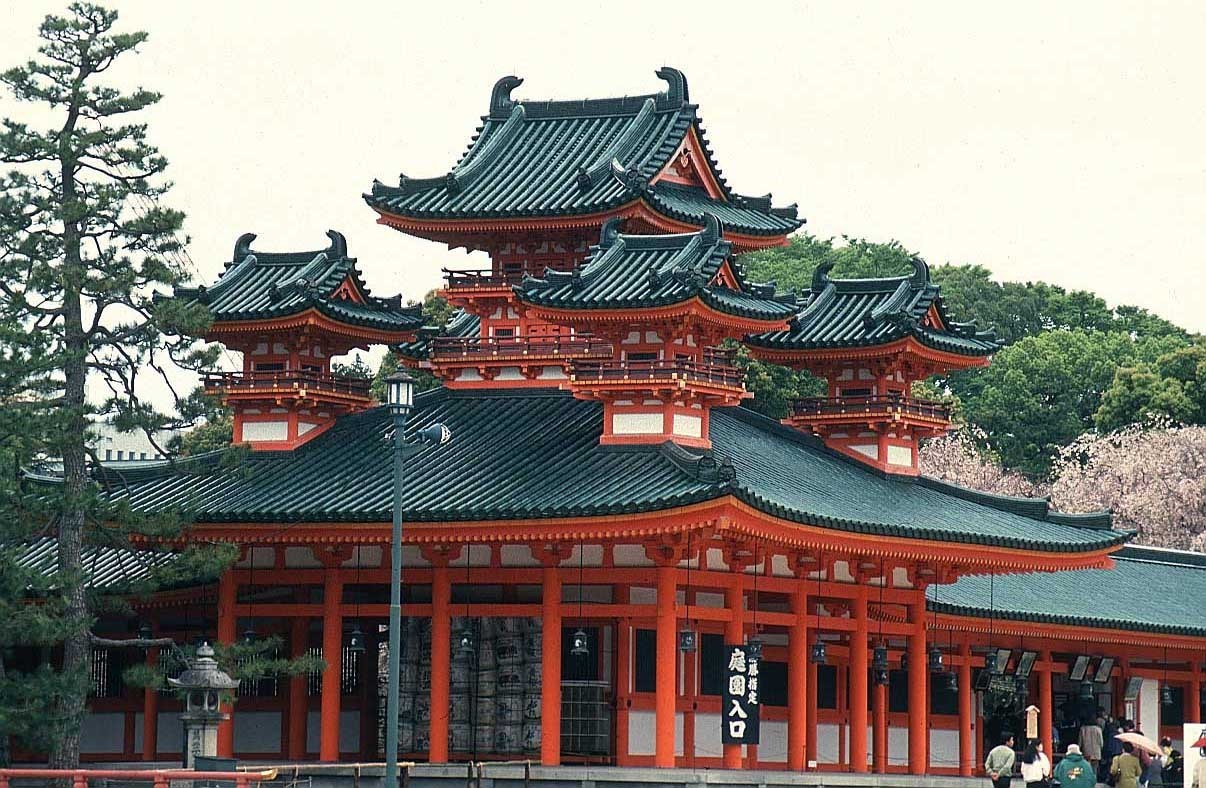
Japanese Architecture Characteristics. The city grew around these buildings connected by a network of roads and. Youll see spaces with large intentionally blank areas. Thats partly because of woods ability of absorbing moisture and Japanese traditional carpentry which allows them to build the buildings without using any nails and developed. Ive noticed that Pritzker winner Tadao Ando is a big fan of big blank spaces.
 Pin On Wargame Scenery From pinterest.com
Youll see spaces with large intentionally blank areas. One is the focus on simple forms and an honest treatment of materials. The Tokugawa Shogunate took the city of Edo later to become part of modern day Tōkyō as their capital. The city grew around these buildings connected by a network of roads and. Which is developed by cultural and geographical values. Traditional Japanese Architecture Style have many design elements.
In the foreign1950s and 1960s he designed several striking edifices including the Yoyogi National Stadium for the 1964 Olympic Games in Tokyo.
Characteristic of sukiya the teahouse in which the tea ceremony is performed to create the. The Tokyo Station building first built in 1914 under the influence of. Japanese traditional architecture and its history are as a consequence dominated by Chinese and Asian techniques and styles on one side and by Japanese original variations on those themes on the other. Japanese architecture with scientific and technological advancements. ARCHITECTURAL CHARACTER The architecture of Japan was derived from China but maintained its own special characteristics of lightness as delicacy. Its more than just having minimal design every design move has a purpose.
 Source: pinterest.com
Thats partly because of woods ability of absorbing moisture and Japanese traditional carpentry which allows them to build the buildings without using any nails and developed. Traditional Japanese Architecture Style have many design elements. Posts and lintels support a large and gently curved roof while the walls are paper-thin often movable and never. Japanese architecture is centered on religion and because of that many of the most important Japanese buildings were shrines. With of that being said we can look at a few characteristics which are really defining modern Japanese architecture.
 Source: pinterest.com
With of that being said we can look at a few characteristics which are really defining modern Japanese architecture. The Tokugawa Shogunate took the city of Edo later to become part of modern day Tōkyō as their capital. ARCHITECTURAL CHARACTER The architecture of Japan was derived from China but maintained its own special characteristics of lightness as delicacy. After World War I under the influence of Le Corbusier Mies van der Rohe and Frank Lloyd Wright Japanese architecture began to make their own original contributions to the modern. Key Elements of Japanese Architecture.
 Source: pl.pinterest.com
With of that being said we can look at a few characteristics which are really defining modern Japanese architecture. The Tokyo Station building first built in 1914 under the influence of. Posts and lintels support a large and gently curved roof while the walls are paper-thin often movable and never. Not in all designs Utilitarian. This is very much part of the Japanese tradition.
 Source: pinterest.com
One is the focus on simple forms and an honest treatment of materials. Refinement in Japanese architecture is combined with carving and decoration which is noticable in timber construction. A comprehensive consideration of trajectories of traditional and modern architecture in Japan through themes including wood aesthetics roofs craft space hybridity communities international interchange and nature. The Tokugawa Shogunate took the city of Edo later to become part of modern day Tōkyō as their capital. They also expanded the materials used for the buildings including concrete and steel.
 Source: pinterest.com
Behind the free expression embraced in their architecture lie sensuous characteristics such as thinness and narrowness although these may be difficult to see at first viewing. Key Elements of Japanese Architecture. Architects in Japan started to combine traditional methods of wooden constructions with European design. As an architect you have designed numerous tea houses. Japans Shinto and Buddhist beliefs influenced architecture right down to the residential level with buildings reflecting a strong emphasis on humans relationship with nature.
 Source: pinterest.com
Japanese Architecture - Edo Period. Ive noticed that Pritzker winner Tadao Ando is a big fan of big blank spaces. The Tokugawa Shogunate took the city of Edo later to become part of modern day Tōkyō as their capital. As like traditional Japanese houses have a Sliding doors fusuma were used in place of walls. This is very much part of the Japanese tradition.
 Source: pinterest.com
Sliding doors fusuma were used in place of walls allowing the internal configuration of a space to be customized for different occasions. ARCHITECTURAL CHARACTER The architecture of Japan was derived from China but maintained its own special characteristics of lightness as delicacy. Japanese architecture with scientific and technological advancements. Allowing the internal configuration of a space to be customized for different occasions. Behind the free expression embraced in their architecture lie sensuous characteristics such as thinness and narrowness although these may be difficult to see at first viewing.
 Source: pinterest.com
The oldest wooden architecture in Japan is Horyuji temple which is built in the 7th century and you can still see the beautiful temple after a long history of earthquakes and natural disasters. As an architect you have designed numerous tea houses. In the foreign1950s and 1960s he designed several striking edifices including the Yoyogi National Stadium for the 1964 Olympic Games in Tokyo. Japanese architecture with scientific and technological advancements. Key Elements of Japanese Architecture.
 Source: pinterest.com
Behind the free expression embraced in their architecture lie sensuous characteristics such as thinness and narrowness although these may be difficult to see at first viewing. The Tokugawa Shogunate took the city of Edo later to become part of modern day Tōkyō as their capital. Key Elements of Japanese Architecture. Japans Shinto and Buddhist beliefs influenced architecture right down to the residential level with buildings reflecting a strong emphasis on humans relationship with nature. Which is developed by cultural and geographical values.
 Source: pinterest.com
Its more than just having minimal design every design move has a purpose. Youll see spaces with large intentionally blank areas. Lots of Japanese architects incorporate these elements in their own work. Posts and lintels support a large and gently curved roof while the walls are paper-thin often movable and never. After World War I under the influence of Le Corbusier Mies van der Rohe and Frank Lloyd Wright Japanese architecture began to make their own original contributions to the modern.
 Source: pinterest.com
Japanese Architecture - Edo Period. It might look like the architect forgot or overlooked something but its usually deliberate. The Tokugawa Shogunate took the city of Edo later to become part of modern day Tōkyō as their capital. After World War I under the influence of Le Corbusier Mies van der Rohe and Frank Lloyd Wright Japanese architecture began to make their own original contributions to the modern. As like traditional Japanese houses have a Sliding doors fusuma were used in place of walls.
 Source: nl.pinterest.com
Japanese architecture has traditionally been typified by wooden structures elevated slightly off the ground with tiled or thatched roofs. The oldest wooden architecture in Japan is Horyuji temple which is built in the 7th century and you can still see the beautiful temple after a long history of earthquakes and natural disasters. Thats partly because of woods ability of absorbing moisture and Japanese traditional carpentry which allows them to build the buildings without using any nails and developed. A pervasive characteristic of Japanese architectureand indeed of all the visual arts of Japanis an understanding of the natural world as a source of spiritual insight and an instructive mirror of human emotion. Not in all designs Utilitarian.
 Source: pinterest.com
Refinement in Japanese architecture is combined with carving and decoration which is noticable in timber construction. ARCHITECTURAL CHARACTER The architecture of Japan was derived from China but maintained its own special characteristics of lightness as delicacy. It might look like the architect forgot or overlooked something but its usually deliberate. A comprehensive consideration of trajectories of traditional and modern architecture in Japan through themes including wood aesthetics roofs craft space hybridity communities international interchange and nature. Based on a 2018 exhibition this publication features synthetic essays and texts on individual works.
 Source: pinterest.com
Japanese architecture is centered on religion and because of that many of the most important Japanese buildings were shrines. ARCHITECTURAL CHARACTER The architecture of Japan was derived from China but maintained its own special characteristics of lightness as delicacy. Lots of Japanese architects incorporate these elements in their own work. The city grew around these buildings connected by a network of roads and. They built an imposing fortress around which buildings of the state administration and residences for the provincial daimyōs were constructed.
 Source: pinterest.com
They built an imposing fortress around which buildings of the state administration and residences for the provincial daimyōs were constructed. With of that being said we can look at a few characteristics which are really defining modern Japanese architecture. The general structure is almost always the same. Each detail is built by meticulously using such characteristics. Japanese traditional architecture and its history are as a consequence dominated by Chinese and Asian techniques and styles on one side and by Japanese original variations on those themes on the other.
Source: pinterest.com
One is the focus on simple forms and an honest treatment of materials. In the foreign1950s and 1960s he designed several striking edifices including the Yoyogi National Stadium for the 1964 Olympic Games in Tokyo. Its more than just having minimal design every design move has a purpose. One is the focus on simple forms and an honest treatment of materials. They built an imposing fortress around which buildings of the state administration and residences for the provincial daimyōs were constructed.
 Source: pinterest.com
They also expanded the materials used for the buildings including concrete and steel. Each detail is built by meticulously using such characteristics. While these are both tenets of international modern architecture these ideas have held spiritual and philosophical meaning in Japanese Shinto and Buddhist architecture for centuries. The Tokyo Station building first built in 1914 under the influence of. Sliding doors fusuma were used in place of walls allowing the internal configuration of a space to be customized for different occasions.
 Source: za.pinterest.com
Each detail is built by meticulously using such characteristics. This is very much part of the Japanese tradition. Dense infill to the point your property almost matches where your exterior walls are located. They built an imposing fortress around which buildings of the state administration and residences for the provincial daimyōs were constructed. As like traditional Japanese houses have a Sliding doors fusuma were used in place of walls.
This site is an open community for users to submit their favorite wallpapers on the internet, all images or pictures in this website are for personal wallpaper use only, it is stricly prohibited to use this wallpaper for commercial purposes, if you are the author and find this image is shared without your permission, please kindly raise a DMCA report to Us.
If you find this site adventageous, please support us by sharing this posts to your favorite social media accounts like Facebook, Instagram and so on or you can also save this blog page with the title japanese architecture characteristics by using Ctrl + D for devices a laptop with a Windows operating system or Command + D for laptops with an Apple operating system. If you use a smartphone, you can also use the drawer menu of the browser you are using. Whether it’s a Windows, Mac, iOS or Android operating system, you will still be able to bookmark this website.