Your Gothic architecture where images are ready. Gothic architecture where are a topic that is being searched for and liked by netizens now. You can Get the Gothic architecture where files here. Get all free images.
If you’re searching for gothic architecture where pictures information connected with to the gothic architecture where topic, you have visit the right blog. Our site frequently provides you with hints for seeing the maximum quality video and image content, please kindly surf and locate more informative video content and graphics that fit your interests.
Gothic Architecture Where. Though its roots are French the Gothic approach can be found in churches cathedrals and other similar buildings in Europe and beyond. The Gothic style and architecture are rooted in French architecture but you can also find it in Europe and other continents. Gothic architecture is acknowledged for spawning new structural marvels. Around 1231 Hugues Libergier a Gothic architect began developing the style in the Abbey Church of Saint Nicaise in Reims France.
 Cathedrale Notre Dame De Reims By Vincent Zenon Cathedral Architecture Gothic Architecture Cathedral From pinterest.com
While the Malbork the largest brick castle in. Gothic architecture is acknowledged for spawning new structural marvels. After then it seen in England Spain Germany and Italy In this region Gothic Understanding took a short time GOTHIC ARCHITECTURAL FEATURES. Gothic architecture redefined the building style of an era. Gothic architecture was erroneously seen as the product of a largely uncouth chaotic and superstitious era while the truth was very different. It gave a new dimension to the existing design styles prevalent in the medieval period.
History of Gothic architecture While scholasticism was rising in Europe the French Abbot Suger corresponded with the theologist Dionysius in Syria who united Neoplatonism with Christianity.
It gave a new dimension to the existing design styles prevalent in the medieval period. Gothic Revival also referred to as Victorian Gothic neo-Gothic or Gothick is an architectural movement that began in the late 1740s in England. The movement gained momentum and expanded in the first half of the 19th century as increasingly serious and learned admirers of the neo-Gothic styles sought to revive medieval Gothic architecture intending to complement or. Gothic architecture is acknowledged for spawning new structural marvels. After then it seen in England Spain Germany and Italy In this region Gothic Understanding took a short time GOTHIC ARCHITECTURAL FEATURES. Gothic Architecture has a mystical characteristic.
 Source: pinterest.com
A distinctive architectural style called Venetian Gothic also developed in the 14th century Venice. In these buildings the pointed arches and rib vaults are nearly always accompanied by a. Gothic Revival also referred to as Victorian Gothic neo-Gothic or Gothick is an architectural movement that began in the late 1740s in England. In Poland and the other Baltic States Gothic forms made their way into the brick construction. The height of cathedral.
 Source: pinterest.com
Gothic architecture a pan-European style came about between the mid 12th century and the 16th century and is characterized mainly by masonry building style that uses cavernous spaces and walls broken by overlaid tracery. Gothic buildings is built as a very high constructions. The Early Gothic period in northern France was rife with growth and prosperity and citizens had the resources to build in the grandiose style that the movement promoted. Gothic architecture a pan-European style came about between the mid 12th century and the 16th century and is characterized mainly by masonry building style that uses cavernous spaces and walls broken by overlaid tracery. The style combined the elements of Gothic and Byzantine architecture and can be seen in the various bourgeois residences in and around the city.
 Source: pinterest.com
Gothic architecture was erroneously seen as the product of a largely uncouth chaotic and superstitious era while the truth was very different. While the Malbork the largest brick castle in. Gothic architecture was mainly used in the construction of churches and abbeys. Around 1231 Hugues Libergier a Gothic architect began developing the style in the Abbey Church of Saint Nicaise in Reims France. The Gothic grew out of the Romanesque architectural style when both prosperity and relative peace allowed for several centuries of cultural development and great building schemes.
 Source: pinterest.com
Gothic buildings is built as a very high constructions. Gothic architecture is a European style of architecture that values height and exhibits an intricate and delicate aesthetic. Gothic architecture was mainly used in the construction of churches and abbeys. The Early Gothic period in northern France was rife with growth and prosperity and citizens had the resources to build in the grandiose style that the movement promoted. What is Gothic Architecture.
Source: pinterest.com
Gothic buildings is built as a very high constructions. Suger expounded his theory of God as the supernatural light transforming everything material and mortal into immateriality. Gothic architecture was erroneously seen as the product of a largely uncouth chaotic and superstitious era while the truth was very different. It was heavily ornate and conceptual with its architecture characterised by high buildings intricate aesthetics cavernous spaces and expansive walls. It evolved from Romanesque architecture and was.
 Source: pinterest.com
This view underlies his commission about 1140 AD to raise a new. It gave a new dimension to the existing design styles prevalent in the medieval period. In the mid-1700s the English politician and writer Sir Horace Walpole 1717-1797 decided to redo his country home with details inspired by medieval churches and cathedrals a 12th-century architecture known as Gothic was revived by Walpole. Though its roots are French the Gothic approach can be found in churches cathedrals and other similar buildings in Europe and beyond. The Gothic style and architecture are rooted in French architecture but you can also find it in Europe and other continents.
 Source: pinterest.com
While the Malbork the largest brick castle in. Gothic architecture a pan-European style came about between the mid 12th century and the 16th century and is characterized mainly by masonry building style that uses cavernous spaces and walls broken by overlaid tracery. From roughly 1000 to 1400 several significant cathedrals and churches were built particularly in Britain and France offering architects and masons a chance to work out ever more complex and. The movement gained momentum and expanded in the first half of the 19th century as increasingly serious and learned admirers of the neo-Gothic styles sought to revive medieval Gothic architecture intending to complement or. The Early Gothic period in northern France was rife with growth and prosperity and citizens had the resources to build in the grandiose style that the movement promoted.
 Source: pinterest.com
After then it seen in England Spain Germany and Italy In this region Gothic Understanding took a short time GOTHIC ARCHITECTURAL FEATURES. History of Gothic architecture While scholasticism was rising in Europe the French Abbot Suger corresponded with the theologist Dionysius in Syria who united Neoplatonism with Christianity. It was heavily ornate and conceptual with its architecture characterised by high buildings intricate aesthetics cavernous spaces and expansive walls. From roughly 1000 to 1400 several significant cathedrals and churches were built particularly in Britain and France offering architects and masons a chance to work out ever more complex and. Around 1231 Hugues Libergier a Gothic architect began developing the style in the Abbey Church of Saint Nicaise in Reims France.
 Source: pinterest.com
Gothic Architecture expanded from France. Gothic architecture redefined the building style of an era. The Gothic grew out of the Romanesque architectural style when both prosperity and relative peace allowed for several centuries of cultural development and great building schemes. It has since come to be regarded as the ultimate icon of scholasticism - a movement which sought to reconcile spirituality and religion with rationality. The movement gained momentum and expanded in the first half of the 19th century as increasingly serious and learned admirers of the neo-Gothic styles sought to revive medieval Gothic architecture intending to complement or.
 Source: pinterest.com
Gothic Architecture has a mystical characteristic. Little is known about the architect other than his name and the fact that following his death in 1263 he was buried in the church where his monument proclaimed him a master of architecture. Gothic architecture a pan-European style came about between the mid 12th century and the 16th century and is characterized mainly by masonry building style that uses cavernous spaces and walls broken by overlaid tracery. It paved the way for future architecture styles where the members were not only structurally significant but also ornate and stunning. Suger expounded his theory of God as the supernatural light transforming everything material and mortal into immateriality.
 Source: pinterest.com
Gothic architecture was erroneously seen as the product of a largely uncouth chaotic and superstitious era while the truth was very different. The Gothic style of architecture and art originated in the Middle Ages and was prevalent in Europe between the mid-12th century and the 16th century. Gothic Architecture has a mystical characteristic. Gothic architecture redefined the building style of an era. Gothic Revival also referred to as Victorian Gothic neo-Gothic or Gothick is an architectural movement that began in the late 1740s in England.
 Source: pinterest.com
This view underlies his commission about 1140 AD to raise a new. The movement gained momentum and expanded in the first half of the 19th century as increasingly serious and learned admirers of the neo-Gothic styles sought to revive medieval Gothic architecture intending to complement or. In Poland and the other Baltic States Gothic forms made their way into the brick construction. While the Malbork the largest brick castle in. Gothic architecture was mainly used in the construction of churches and abbeys.
 Source: pinterest.com
After then it seen in England Spain Germany and Italy In this region Gothic Understanding took a short time GOTHIC ARCHITECTURAL FEATURES. The Gothic grew out of the Romanesque architectural style when both prosperity and relative peace allowed for several centuries of cultural development and great building schemes. The Gothic style of architecture and art originated in the Middle Ages and was prevalent in Europe between the mid-12th century and the 16th century. Gothic Architecture has a mystical characteristic. The Gothic style and architecture are rooted in French architecture but you can also find it in Europe and other continents.
 Source: pinterest.com
It was heavily ornate and conceptual with its architecture characterised by high buildings intricate aesthetics cavernous spaces and expansive walls. In Poland and the other Baltic States Gothic forms made their way into the brick construction. Gothic architecture a pan-European style came about between the mid 12th century and the 16th century and is characterized mainly by masonry building style that uses cavernous spaces and walls broken by overlaid tracery. This view underlies his commission about 1140 AD to raise a new. From roughly 1000 to 1400 several significant cathedrals and churches were built particularly in Britain and France offering architects and masons a chance to work out ever more complex and.
 Source: pinterest.com
Around 1231 Hugues Libergier a Gothic architect began developing the style in the Abbey Church of Saint Nicaise in Reims France. Gothic Architecture has a mystical characteristic. Gothic Revival also referred to as Victorian Gothic neo-Gothic or Gothick is an architectural movement that began in the late 1740s in England. The style combined the elements of Gothic and Byzantine architecture and can be seen in the various bourgeois residences in and around the city. The first Gothic architectural structures were built in Île-de-France a region near Paris.
 Source: pinterest.com
Gothic architecture was erroneously seen as the product of a largely uncouth chaotic and superstitious era while the truth was very different. While the Malbork the largest brick castle in. The Gothic style of architecture and art originated in the Middle Ages and was prevalent in Europe between the mid-12th century and the 16th century. Gothic architecture architectural style in Europe that lasted from the mid-12th century to the 16th century particularly a style of masonry building characterized by cavernous spaces with the expanse of walls broken up by overlaid tracery. It gave a new dimension to the existing design styles prevalent in the medieval period.
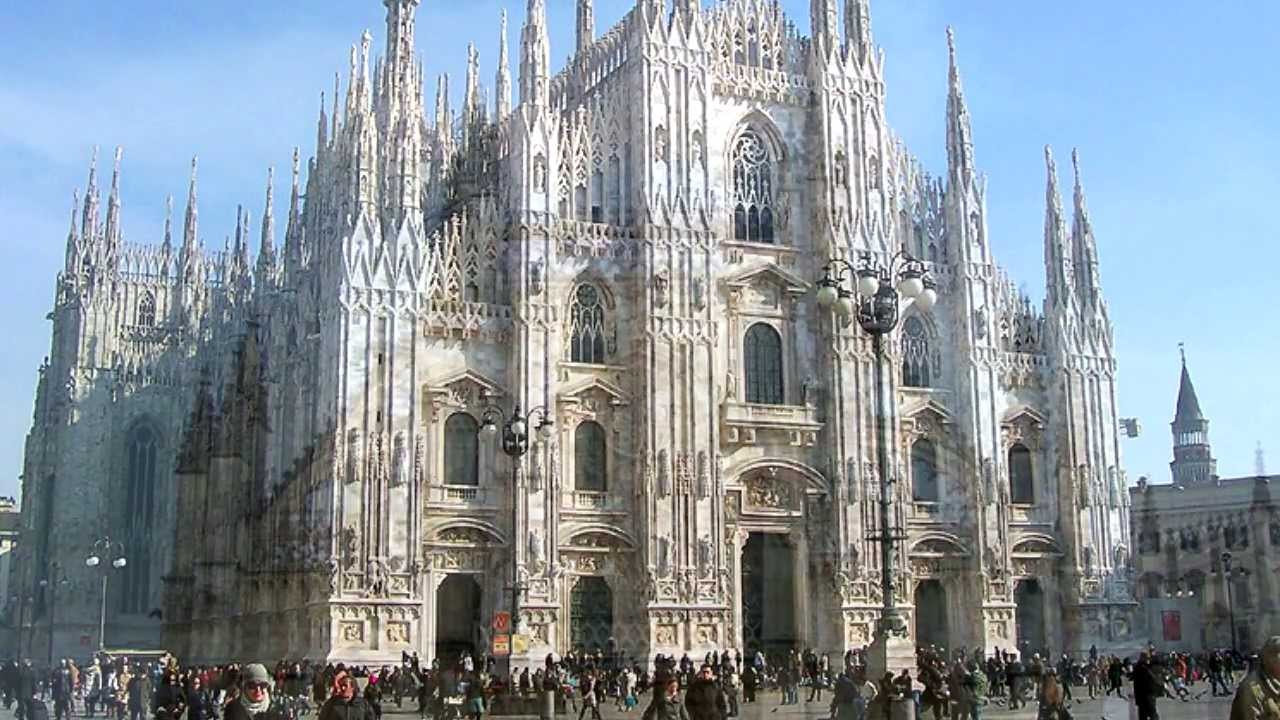 Source: pinterest.com
In the mid-1700s the English politician and writer Sir Horace Walpole 1717-1797 decided to redo his country home with details inspired by medieval churches and cathedrals a 12th-century architecture known as Gothic was revived by Walpole. Gothic Architecture has a mystical characteristic. After then it seen in England Spain Germany and Italy In this region Gothic Understanding took a short time GOTHIC ARCHITECTURAL FEATURES. The style combined the elements of Gothic and Byzantine architecture and can be seen in the various bourgeois residences in and around the city. The Gothic grew out of the Romanesque architectural style when both prosperity and relative peace allowed for several centuries of cultural development and great building schemes.
 Source: pinterest.com
What is Gothic Architecture. History of Gothic architecture While scholasticism was rising in Europe the French Abbot Suger corresponded with the theologist Dionysius in Syria who united Neoplatonism with Christianity. A distinctive architectural style called Venetian Gothic also developed in the 14th century Venice. It has since come to be regarded as the ultimate icon of scholasticism - a movement which sought to reconcile spirituality and religion with rationality. This view underlies his commission about 1140 AD to raise a new.
This site is an open community for users to submit their favorite wallpapers on the internet, all images or pictures in this website are for personal wallpaper use only, it is stricly prohibited to use this wallpaper for commercial purposes, if you are the author and find this image is shared without your permission, please kindly raise a DMCA report to Us.
If you find this site value, please support us by sharing this posts to your own social media accounts like Facebook, Instagram and so on or you can also bookmark this blog page with the title gothic architecture where by using Ctrl + D for devices a laptop with a Windows operating system or Command + D for laptops with an Apple operating system. If you use a smartphone, you can also use the drawer menu of the browser you are using. Whether it’s a Windows, Mac, iOS or Android operating system, you will still be able to bookmark this website.


