Your Gothic architecture period and era when it was created images are ready. Gothic architecture period and era when it was created are a topic that is being searched for and liked by netizens now. You can Find and Download the Gothic architecture period and era when it was created files here. Download all free photos.
If you’re looking for gothic architecture period and era when it was created images information linked to the gothic architecture period and era when it was created interest, you have pay a visit to the right blog. Our site frequently gives you hints for refferencing the maximum quality video and picture content, please kindly hunt and find more informative video content and graphics that match your interests.
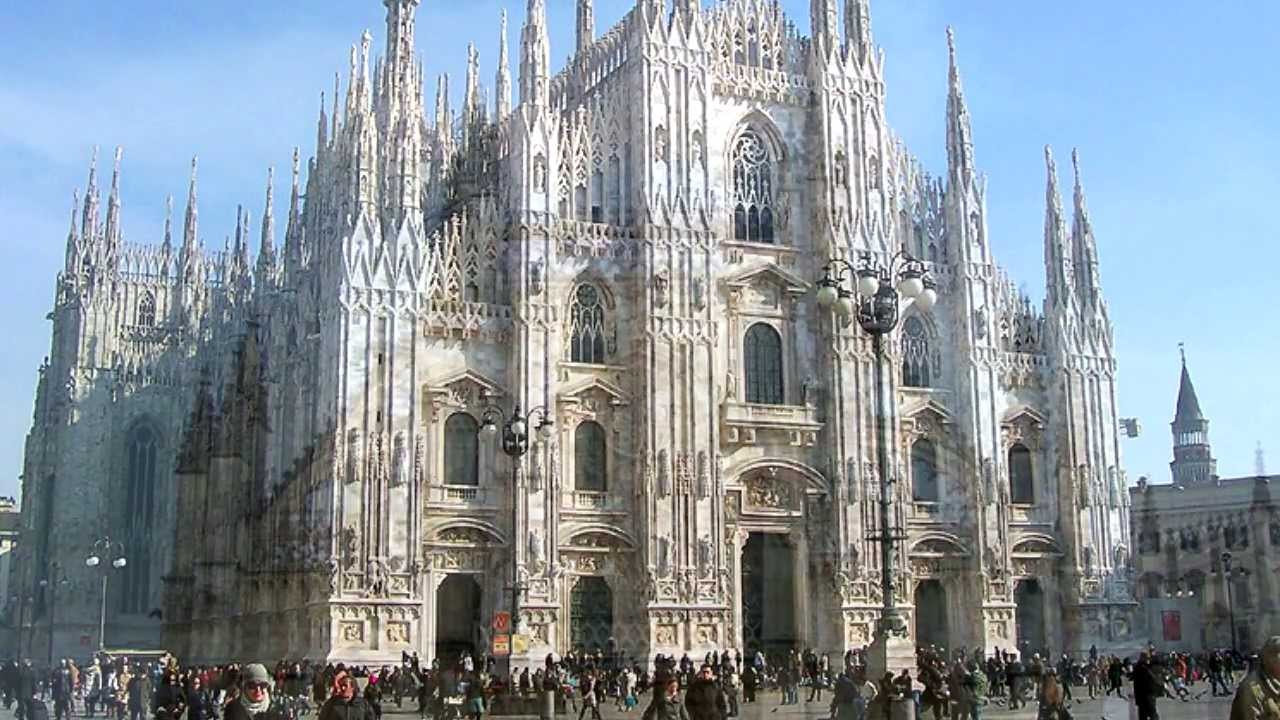
Gothic Architecture Period And Era When It Was Created. Today the term Gothic Age refers to the period of art and architecture immediately following the Romanesque. Originating in 12th century France and lasting into the 16th century Gothic architecture was known during the period as Opus Francigenum French work with the term Gothic first appearing during the later part of the Renaissance. It is rooted in French architecture but can be found all over. It includes essays by leading scholars arranged by medium period and region.
 Romanesque Architecture Greece Italy Edwardian Era 1906 Steel Engraving To Frame Black White Romanesque Architecture Romanesque Architecture Drawing From pinterest.com
Today the term Gothic Age refers to the period of art and architecture immediately following the Romanesque. The Gothic Period The Gothic style began in the twelfth century and had as a base the Romanesque style. Gothic Architecture Gothic architecture is unique in that we can pinpoint the exact place the exact moment and the exact person who developed it. Early High and late Gothic. It is rooted in French architecture but can be found all over. Three successive phases of Gothic architecture can be distinguished respectively called.
Key Ideas Accomplishments The innovations of Gothic architecture were premised on the ideas developed by Abbot Suger that earthly light contained divine light and that the physical edifice of the church needed to make.
But Gothic designers solved this problem around 1120 with several brilliant innovations. Simply take a segment AB and draw two circular arcs of the same A B A B. From roughly 1000 to 1400 several significant cathedrals and churches were built particularly in Britain and France offering architects and masons a chance to work out ever more complex problems and daring designs. Originating in 12th century France and lasting into the 16th century Gothic architecture was known during the period as Opus Francigenum French work with the term Gothic first appearing during the later part of the Renaissance. In the 12th13th century feats of engineering permitted increasingly gigantic buildings. It includes essays by leading scholars arranged by medium period and region.
 Source: pinterest.com
It was heavily ornate and conceptual with its architecture characterised by high buildings intricate aesthetics cavernous spaces and expansive walls. Early High and late Gothic. The Gothic Period The Gothic style began in the twelfth century and had as a base the Romanesque style. The Gothic style of architecture and art originated in the Middle Ages and was prevalent in Europe between the mid-12th century and the 16th century. The period began in around 1452 when the architect and humanist Leon Battista Alberti 1404-1472 completed his treatise De Re Aedificatoria On the Art of Building after studying the ancient ruins of Rome and Vitruviuss De Architectura.
 Source: pinterest.com
The Gothic style of architecture and art originated in the Middle Ages and was prevalent in Europe between the mid-12th century and the 16th century. Simply take a segment AB and draw two circular arcs of the same A B A B. Subsequently Gothic architecture in particular inspired new churches in the 19 th century city buildings and university architecture well into the 20 th century. Key Ideas Accomplishments The innovations of Gothic architecture were premised on the ideas developed by Abbot Suger that earthly light contained divine light and that the physical edifice of the church needed to make. This first phase lasted from the Gothic styles inception in 1120-50 to about 1200.
 Source: pinterest.com
It is rooted in French architecture but can be found all over. The period began in around 1452 when the architect and humanist Leon Battista Alberti 1404-1472 completed his treatise De Re Aedificatoria On the Art of Building after studying the ancient ruins of Rome and Vitruviuss De Architectura. It is regarded to be an era of outstanding artistic achievement. In the 12th13th century feats of engineering permitted increasingly gigantic buildings. It is rooted in French architecture but can be found all over.
 Source: pinterest.com
It is regarded to be an era of outstanding artistic achievement. The Gothic grew out of the Romanesque architectural style when both prosperity and relative peace allowed for several centuries of cultural development and great building schemes. Two different era period and era when it was created - 4808035. Up to and including the preceding period of Romanesque architecture c800-1150 building designers believed that vertical supporting walls had to be made extremely thick and heavy in order to counteract and absorb the vaults downward and outward pressure. Simply take a segment AB and draw two circular arcs of the same A B A B.
 Source: pinterest.com
Toman Rolf ed. The Gothic style of architecture and art originated in the Middle Ages and was prevalent in Europe between the mid-12th century and the 16th century. Roman and Romanesque building methods used the rounded or flattened arch which distributes the weight of the masonry above in a concerted way downwards. Early High and late Gothic. Toman Rolf ed.
 Source: pinterest.com
But Gothic designers solved this problem around 1120 with several brilliant innovations. During this period France had become a center of commerce and many cathedrals with Gothic style were constructed with the donations of mercantile interests. Toman Rolf ed. A beautifully illustrated and impressively comprehensive survey of visual culture in the Gothic era with a strong emphasis on architecture. Roman and Romanesque building methods used the rounded or flattened arch which distributes the weight of the masonry above in a concerted way downwards.
 Source: pinterest.com
Originating in 12th century France and lasting into the 16th century Gothic architecture was known during the period as Opus Francigenum French work with the term Gothic first appearing during the later part of the Renaissance. Gothic Architecture Gothic architecture is unique in that we can pinpoint the exact place the exact moment and the exact person who developed it. Originating in 12th century France and lasting into the 16th century Gothic architecture was known during the period as Opus Francigenum French work with the term Gothic first appearing during the later part of the Renaissance. Figure 316 shows one common design. Early High and late Gothic.
 Source: pinterest.com
Roman and Romanesque building methods used the rounded or flattened arch which distributes the weight of the masonry above in a concerted way downwards. The Gothic Period The Gothic style began in the twelfth century and had as a base the Romanesque style. The Gothic grew out of the Romanesque architectural style when both prosperity and relative peace allowed for several centuries of cultural development and great building schemes. In the 12th13th century feats of engineering permitted increasingly gigantic buildings. Today the term Gothic Age refers to the period of art and architecture immediately following the Romanesque.
 Source: pinterest.com
It includes essays by leading scholars arranged by medium period and region. The Gothic style of architecture and art originated in the Middle Ages and was prevalent in Europe between the mid-12th century and the 16th century. Gothic architecture has its roots in early medieval Islamic architecture. During this period France had become a center of commerce and many cathedrals with Gothic style were constructed with the donations of mercantile interests. The new understanding of architecture and design led to more fantastic examples of vaulting and ornamentation and the Early Gothic or Lancet style from the twelfth and thirteenth centuries developed into the Decorated or Rayonnant Gothic roughly fourteenth century.
 Source: pinterest.com
Gothic Architecture Gothic architecture is unique in that we can pinpoint the exact place the exact moment and the exact person who developed it. Toman Rolf ed. The Gothic Period The Gothic style began in the twelfth century and had as a base the Romanesque style. The first Gothic architectural structures were built in Île-de-France a region near Paris. Gothic architecture has its roots in early medieval Islamic architecture.
 Source: nl.pinterest.com
It is rooted in French architecture but can be found all over. Around 1137 Abbot Suger began re-building the Abbey Church of St. The Early Gothic period in northern France was rife with growth and prosperity and citizens had the resources to build in the grandiose style that the movement promoted. Early Gothic architecture represents the style between the years 1120 and 1200. Today the term Gothic Age refers to the period of art and architecture immediately following the Romanesque.
 Source: ru.pinterest.com
From roughly 1000 to 1400 several significant cathedrals and churches were built particularly in Britain and France offering architects and masons a chance to work out ever more complex. The Early Gothic period in northern France was rife with growth and prosperity and citizens had the resources to build in the grandiose style that the movement promoted. Key Ideas Accomplishments The innovations of Gothic architecture were premised on the ideas developed by Abbot Suger that earthly light contained divine light and that the physical edifice of the church needed to make. It is regarded to be an era of outstanding artistic achievement. The new understanding of architecture and design led to more fantastic examples of vaulting and ornamentation and the Early Gothic or Lancet style from the twelfth and thirteenth centuries developed into the Decorated or Rayonnant Gothic roughly fourteenth century.
 Source: pinterest.com
Up to and including the preceding period of Romanesque architecture c800-1150 building designers believed that vertical supporting walls had to be made extremely thick and heavy in order to counteract and absorb the vaults downward and outward pressure. But Gothic designers solved this problem around 1120 with several brilliant innovations. Roman and Romanesque building methods used the rounded or flattened arch which distributes the weight of the masonry above in a concerted way downwards. Simply take a segment AB and draw two circular arcs of the same A B A B. The Gothic grew out of the Romanesque architectural style when both prosperity and relative peace allowed for several centuries of cultural development and great building schemes.
 Source: pinterest.com
Early High and late Gothic. Early High and late Gothic. Originating in 12th century France and lasting into the 16th century Gothic architecture was known during the period as Opus Francigenum French work with the term Gothic first appearing during the later part of the Renaissance. During this period France had become a center of commerce and many cathedrals with Gothic style were constructed with the donations of mercantile interests. The most easily recognized feature of the Gothic style is the pointed or Gothic arch.
 Source: pinterest.com
A beautifully illustrated and impressively comprehensive survey of visual culture in the Gothic era with a strong emphasis on architecture. From roughly 1000 to 1400 several significant cathedrals and churches were built particularly in Britain and France offering architects and masons a chance to work out ever more complex problems and daring designs. The period began in around 1452 when the architect and humanist Leon Battista Alberti 1404-1472 completed his treatise De Re Aedificatoria On the Art of Building after studying the ancient ruins of Rome and Vitruviuss De Architectura. It is regarded to be an era of outstanding artistic achievement. Gothic architecture has its roots in early medieval Islamic architecture.
 Source: pinterest.com
From roughly 1000 to 1400 several significant cathedrals and churches were built particularly in Britain and France offering architects and masons a chance to work out ever more complex. But Gothic designers solved this problem around 1120 with several brilliant innovations. Simply take a segment AB and draw two circular arcs of the same A B A B. It was heavily ornate and conceptual with its architecture characterised by high buildings intricate aesthetics cavernous spaces and expansive walls. Gothic architecture has its roots in early medieval Islamic architecture.
 Source: pinterest.com
The Gothic style of architecture and art originated in the Middle Ages and was prevalent in Europe between the mid-12th century and the 16th century. Up to and including the preceding period of Romanesque architecture c800-1150 building designers believed that vertical supporting walls had to be made extremely thick and heavy in order to counteract and absorb the vaults downward and outward pressure. This first phase lasted from the Gothic styles inception in 1120-50 to about 1200. Today the term Gothic Age refers to the period of art and architecture immediately following the Romanesque. It was heavily ornate and conceptual with its architecture characterised by high buildings intricate aesthetics cavernous spaces and expansive walls.
 Source: pl.pinterest.com
Around 1137 Abbot Suger began re-building the Abbey Church of St. It is regarded to be an era of outstanding artistic achievement. Gothic architecture has its roots in early medieval Islamic architecture. Subsequently Gothic architecture in particular inspired new churches in the 19 th century city buildings and university architecture well into the 20 th century. Today the term Gothic Age refers to the period of art and architecture immediately following the Romanesque.
This site is an open community for users to submit their favorite wallpapers on the internet, all images or pictures in this website are for personal wallpaper use only, it is stricly prohibited to use this wallpaper for commercial purposes, if you are the author and find this image is shared without your permission, please kindly raise a DMCA report to Us.
If you find this site convienient, please support us by sharing this posts to your preference social media accounts like Facebook, Instagram and so on or you can also bookmark this blog page with the title gothic architecture period and era when it was created by using Ctrl + D for devices a laptop with a Windows operating system or Command + D for laptops with an Apple operating system. If you use a smartphone, you can also use the drawer menu of the browser you are using. Whether it’s a Windows, Mac, iOS or Android operating system, you will still be able to bookmark this website.


