Your Gothic architecture depends on images are available in this site. Gothic architecture depends on are a topic that is being searched for and liked by netizens now. You can Get the Gothic architecture depends on files here. Download all free images.
If you’re searching for gothic architecture depends on pictures information linked to the gothic architecture depends on topic, you have come to the right site. Our website frequently provides you with suggestions for refferencing the highest quality video and picture content, please kindly surf and find more enlightening video content and images that match your interests.
Gothic Architecture Depends On. Architecture was the most important and original art form during the Gothic period. Gothic architecture or pointed architecture is an architectural style that was prevalent in Europe from the late 12th to the 16th century during the High and Late Middle Ages surviving into the 17th and 18th centuries in some areas. Gothic cathedrals were massive in size and scale supported by architectural techniques that had been lost after the fall of Rome. The word Gothic was first used in the Italian Renaissance as a negative term for all art and architecture of the Middle Ages suggesting that it was of the quality of the work of the barbarian Goths.
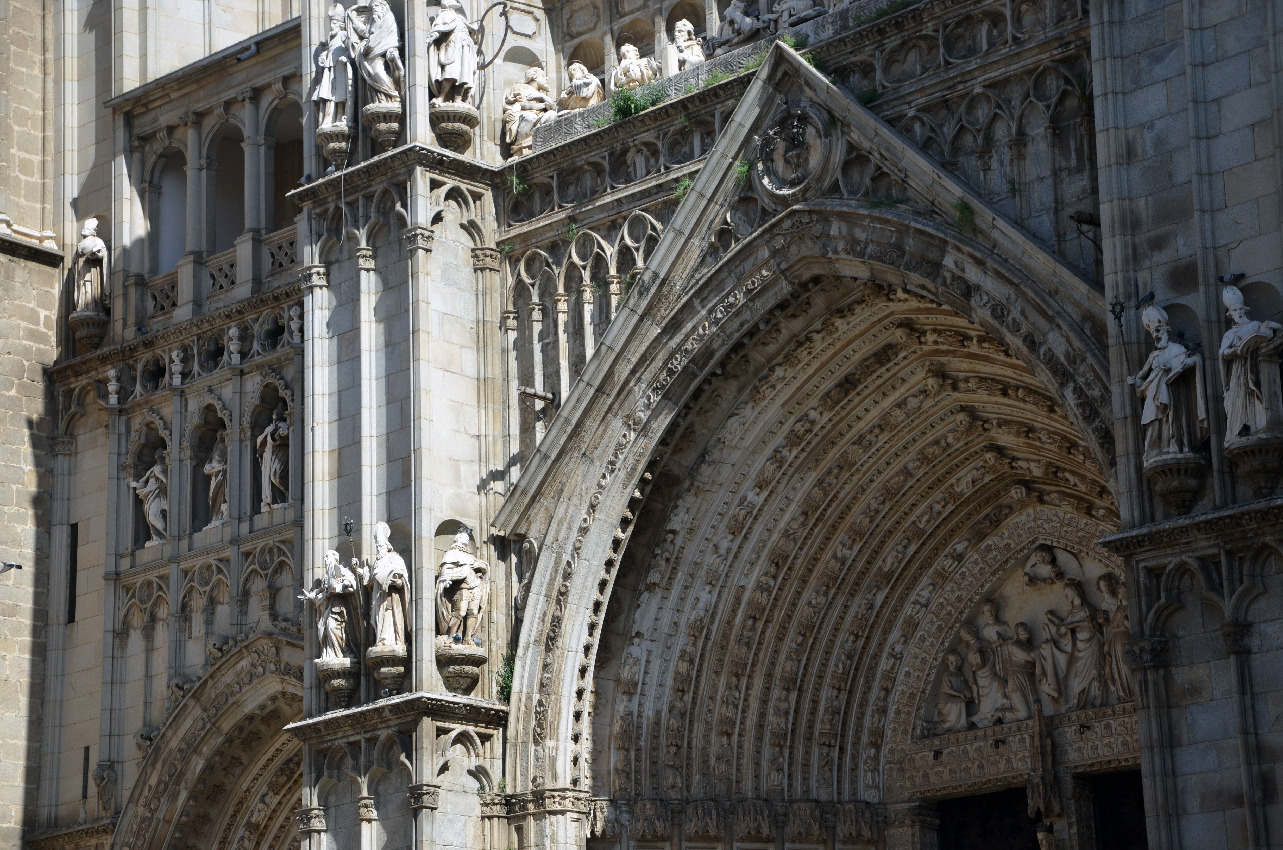 Drawing Gothic Architecture By Gamekiller48 Clip Studio Tips From tips.clip-studio.com
During the Middle Ages a new style of architecture emerged in Europe. Gothic architecture architectural style in Europe that lasted from the mid-12th century to the 16th century particularly a style of masonry building characterized by cavernous spaces with the. Gothic architecture is a European style of architecture that values height and exhibits an intricate and delicate aesthetic. Gothic architecture is acknowledged for spawning new structural marvels phantasmagorical plays of light and raising the bar for cathedral construction everywhere - even by contemporary standards. Key Ideas Accomplishments The innovations of Gothic architecture were premised on the ideas developed by Abbot Suger that earthly light contained divine light and that the physical edifice of the church needed to make this concept tangible. Today the term Gothic Age refers to the period of art and architecture immediately following the Romanesque.
Acuminate arches ribbed vaults and flying buttresses were included in the features.
The word Gothic was first used in the Italian Renaissance as a negative term for all art and architecture of the Middle Ages suggesting that it was of the quality of the work of the barbarian Goths. The style is known to have flourished during the latter half of the Middle Ages from the 12th century CE onwards until the 16th century CE. Evolving from a Romanesque style of architecture characterized by semi-circular arches Gothic architecture showcases great height light and volume. For centuries before these churches were smaller buildings with. In Gothic Architecture the pointed arch is used in every location where a vaulted shape is called for both structural and decorative. It is also the architecture of many castles palaces town halls guild halls universities and to a less prominent extent private dwellings.
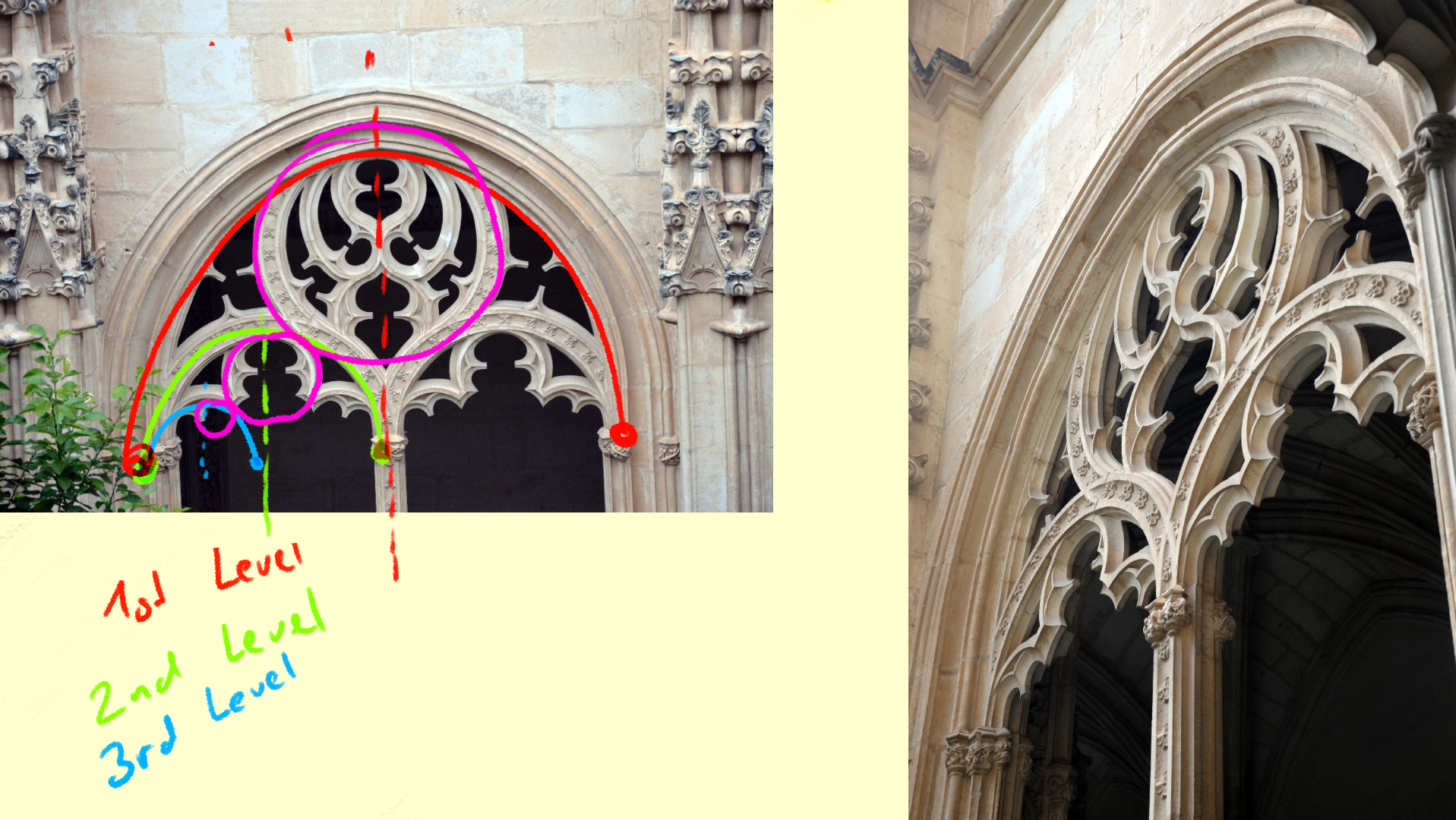 Source: tips.clip-studio.com
Acuminate arches ribbed vaults and flying buttresses were included in the features. Rows of pointed arches upon delicate shafts form a typical. Acuminate arches ribbed vaults and flying buttresses were included in the features. Gothic architecture was a kind of architectural style prosperous in the Middle-Ages. The style is known to have flourished during the latter half of the Middle Ages from the 12th century CE onwards until the 16th century CE.
 Source: pinterest.com
Gothic architecture is most familiar as the architecture of many of the great cathedrals abbeys and churches of Europe. It was evolved from Romanesque architecture and inherited by the Renaissance. Though its roots are French the Gothic approach can be found in churches cathedrals and other similar buildings in Europe and beyond. Fundamentals of Gothic Architecture There are three things that make Gothic architecture Gothic. Its signature elementsthe ribbed vault flying buttresses and pointed archare evident in some of the most spectacular buildings around Europe like that of Notre Dame Cathedral in Paris France.
 Source: thespruce.com
Key Ideas Accomplishments The innovations of Gothic architecture were premised on the ideas developed by Abbot Suger that earthly light contained divine light and that the physical edifice of the church needed to make this concept tangible. It is no doubt a sublimer effort of genius than the Greek style. The word Gothic was first used in the Italian Renaissance as a negative term for all art and architecture of the Middle Ages suggesting that it was of the quality of the work of the barbarian Goths. In Gothic Architecture the pointed arch is used in every location where a vaulted shape is called for both structural and decorative. Gothic architecture is most familiar as the architecture of many of the great cathedrals abbeys and churches of Europe.
 Source: pinterest.com
Architecture depends doubt effect effort execution genius Gothic. It was originated in France in the twelfth century. It is also the architecture of many castles palaces town halls guild halls universities and to a less prominent extent private dwellings. Does not imply the architecture of the historical Goths. Gothic vaulting above spaces both large and small is usually supported by richly moulded ribs.
 Source: pinterest.com
Gothic cathedrals were massive in size and scale supported by architectural techniques that had been lost after the fall of Rome. Initially referred to as. It was originated in France in the twelfth century. Evolving from a Romanesque style of architecture characterized by semi-circular arches Gothic architecture showcases great height light and volume. Gothic architecture is most familiar as the architecture of many of the great cathedrals abbeys and churches of Europe.
 Source: de.pinterest.com
Its signature elementsthe ribbed vault flying buttresses and pointed archare evident in some of the most spectacular buildings around Europe like that of Notre Dame Cathedral in Paris France. Gothic architecture is a European style of architecture that values height and exhibits an intricate and delicate aesthetic. Acuminate arches ribbed vaults and flying buttresses were included in the features. It evolved from Romanesque architecture and was succeeded by Renaissance architectureIt originated in the Île-de-France region of northern. We shall study the art literature intellectual life economics and new social arrangements that arose in the shadow of the cathedrals and that were such an important part of the revival of cities in the twelfth and thirteenth centuries.
 Source: pinterest.com
Key Ideas Accomplishments The innovations of Gothic architecture were premised on the ideas developed by Abbot Suger that earthly light contained divine light and that the physical edifice of the church needed to make this concept tangible. Evolving from a Romanesque style of architecture characterized by semi-circular arches Gothic architecture showcases great height light and volume. The principle of the Gothic architecture is infinity made imaginable. It is also the architecture of many castles palaces town halls guild halls universities and to a less prominent extent private dwellings. The style is known to have flourished during the latter half of the Middle Ages from the 12th century CE onwards until the 16th century CE.
 Source: nl.pinterest.com
Key Ideas Accomplishments The innovations of Gothic architecture were premised on the ideas developed by Abbot Suger that earthly light contained divine light and that the physical edifice of the church needed to make this concept tangible. Here are some characteristics your standard Gothic cathedral will showcase. But then it depends much more on execution for its effect. It is no doubt a sublimer effort of genius than the Greek style. Gothic architecture or pointed architecture is an architectural style that was prevalent in Europe from the late 12th to the 16th century during the High and Late Middle Ages surviving into the 17th and 18th centuries in some areas.
 Source: pinterest.com
During the Middle Ages a new style of architecture emerged in Europe. The style is known to have flourished during the latter half of the Middle Ages from the 12th century CE onwards until the 16th century CE. Key Ideas Accomplishments The innovations of Gothic architecture were premised on the ideas developed by Abbot Suger that earthly light contained divine light and that the physical edifice of the church needed to make this concept tangible. Gothic architecture or pointed architecture is an architectural style that was prevalent in Europe from the late 12th to the 16th century during the High and Late Middle Ages surviving into the 17th and 18th centuries in some areas. Gothic architecture is most familiar as the architecture of many of the great cathedrals abbeys and churches of Europe.
 Source: thespruce.com
The word Gothic was first used in the Italian Renaissance as a negative term for all art and architecture of the Middle Ages suggesting that it was of the quality of the work of the barbarian Goths. Its signature elementsthe ribbed vault flying buttresses and pointed archare evident in some of the most spectacular buildings around Europe like that of Notre Dame Cathedral in Paris France. Gothic cathedrals were massive in size and scale supported by architectural techniques that had been lost after the fall of Rome. During the Middle Ages a new style of architecture emerged in Europe. Architecture depends doubt effect effort execution genius Gothic.
 Source: pinterest.com
Does not imply the architecture of the historical Goths. Acuminate arches ribbed vaults and flying buttresses were included in the features. The word Gothic was first used in the Italian Renaissance as a negative term for all art and architecture of the Middle Ages suggesting that it was of the quality of the work of the barbarian Goths. Key Ideas Accomplishments The innovations of Gothic architecture were premised on the ideas developed by Abbot Suger that earthly light contained divine light and that the physical edifice of the church needed to make this concept tangible. Fundamentals of Gothic Architecture There are three things that make Gothic architecture Gothic.
 Source: no.pinterest.com
It is also the architecture of many castles palaces town halls guild halls universities and to a less prominent extent private dwellings. Gothic architecture architectural style in Europe that lasted from the mid-12th century to the 16th century particularly a style of masonry building characterized by cavernous spaces with the. Gothic architecture is acknowledged for spawning new structural marvels phantasmagorical plays of light and raising the bar for cathedral construction everywhere - even by contemporary standards. The principle of the Gothic architecture is infinity made imaginable. It evolved from Romanesque architecture and was succeeded by Renaissance architectureIt originated in the Île-de-France region of northern.
Source: tips.clip-studio.com
But then it depends much more on execution for its effect. Fundamentals of Gothic Architecture There are three things that make Gothic architecture Gothic. Gothic cathedrals were massive in size and scale supported by architectural techniques that had been lost after the fall of Rome. Rows of pointed arches upon delicate shafts form a typical. Its signature elementsthe ribbed vault flying buttresses and pointed archare evident in some of the most spectacular buildings around Europe like that of Notre Dame Cathedral in Paris France.
 Source: pinterest.com
It evolved from Romanesque architecture and was succeeded by Renaissance architectureIt originated in the Île-de-France region of northern. Gothic vaulting above spaces both large and small is usually supported by richly moulded ribs. Gothic architecture is most familiar as the architecture of many of the great cathedrals abbeys and churches of Europe. A pan-European style that lasted between the mid-12th Century and the 16th Century Gothic art and architecture was actually developed to bring sunshine into peoples lives and especially into their churches. Here are some characteristics your standard Gothic cathedral will showcase.
 Source: sk.pinterest.com
For centuries before these churches were smaller buildings with. Evolving from a Romanesque style of architecture characterized by semi-circular arches Gothic architecture showcases great height light and volume. It is no doubt a sublimer effort of genius than the Greek style. But then it depends much more on execution for its effect. The word Gothic was first used in the Italian Renaissance as a negative term for all art and architecture of the Middle Ages suggesting that it was of the quality of the work of the barbarian Goths.
 Source: cz.pinterest.com
It was continued until the sixteenth century. Gothic architecture is most familiar as the architecture of many of the great cathedrals abbeys and churches of Europe. During the Middle Ages a new style of architecture emerged in Europe. The style is known to have flourished during the latter half of the Middle Ages from the 12th century CE onwards until the 16th century CE. One of the most familiar styles of the European architecture of the Middle Ages the Gothic architecture boasts of high-rising structures which were the skyscrapers of their times.
 Source: researchgate.net
Architecture depends doubt effect effort execution genius Gothic. We shall study the art literature intellectual life economics and new social arrangements that arose in the shadow of the cathedrals and that were such an important part of the revival of cities in the twelfth and thirteenth centuries. Architecture depends doubt effect effort execution genius Gothic. Key Ideas Accomplishments The innovations of Gothic architecture were premised on the ideas developed by Abbot Suger that earthly light contained divine light and that the physical edifice of the church needed to make this concept tangible. One of the most familiar styles of the European architecture of the Middle Ages the Gothic architecture boasts of high-rising structures which were the skyscrapers of their times.
 Source: pinterest.com
The style is known to have flourished during the latter half of the Middle Ages from the 12th century CE onwards until the 16th century CE. Gothic architecture is most familiar as the architecture of many of the great cathedrals abbeys and churches of Europe. Gothic architecture or pointed architecture is an architectural style that was prevalent in Europe from the late 12th to the 16th century during the High and Late Middle Ages surviving into the 17th and 18th centuries in some areas. It was originated in France in the twelfth century. Gothic architecture is acknowledged for spawning new structural marvels phantasmagorical plays of light and raising the bar for cathedral construction everywhere - even by contemporary standards.
This site is an open community for users to do sharing their favorite wallpapers on the internet, all images or pictures in this website are for personal wallpaper use only, it is stricly prohibited to use this wallpaper for commercial purposes, if you are the author and find this image is shared without your permission, please kindly raise a DMCA report to Us.
If you find this site beneficial, please support us by sharing this posts to your preference social media accounts like Facebook, Instagram and so on or you can also save this blog page with the title gothic architecture depends on by using Ctrl + D for devices a laptop with a Windows operating system or Command + D for laptops with an Apple operating system. If you use a smartphone, you can also use the drawer menu of the browser you are using. Whether it’s a Windows, Mac, iOS or Android operating system, you will still be able to bookmark this website.


